Good to know

Genetics, readable and clear

Short articles explaining how DNA tests work, what they can reveal and what not to believe. No marketing — just the facts.

BlogAnyone can understand genetics — it just has to be explained clearly.

We pick the topics that interest you and turn them into something readable.

Featured article

Articles & curiosities

Read what interests you

What a DNA marker is, and why we test dozens of themHow it works

The Genomac team · 5 June 2026

What a DNA marker is, and why we test dozens of them

Short stretches of DNA that differ from person to person — and form the basis of every test.

A DNA marker is a short, precisely defined region of the genome that differs between people in the number of repeats of a particular sequence. The more independent markers a laboratory compares, the greater the certainty of the result. In paternity testing we therefore evaluate dozens of markers, chosen to be as variable as possible in the Czech and European populations. A match across all the markers examined leads to a probability of paternity exceeding 99.9999 %.


How to read a paternity probability of 99.9999 %Results

The Genomac team · 19 May 2026

How to read a paternity probability of 99.9999 %

Why a test never says “100 %” — and when certainty is absolute after all.

The result of a paternity test never states 100 % for a confirmation — statistically, a theoretical match with another, unrelated man cannot be entirely ruled out. A value of 99.9999 % means that the probability of a random man having the same combination of markers is vanishingly small. Exclusion of paternity, by contrast, is absolute: a mismatch in a few markers is enough for paternity to be excluded with 100 % certainty.

Why a cheek swab is enough instead of taking bloodSample collection

The Genomac team · 28 April 2026

Why a cheek swab is enough instead of taking blood

Cells from the lining of the mouth carry the same DNA as any other cell in the body.

Blood is not needed for a DNA analysis. The cells lining the inside of the cheek contain exactly the same genetic information as any other cell in the body. Collection by buccal swab is painless, quick and something you can manage at home. The key is to let the sample dry and not to touch the collection tip, so that it is not contaminated with someone else's DNA.

What genes do (and do not) determine: aptitude vs. environmentGenes and lifestyle

The Genomac team · 14 March 2026

What genes do (and do not) determine: aptitude vs. environment

Genetic predispositions are not destiny — the environment shapes the outcome too.

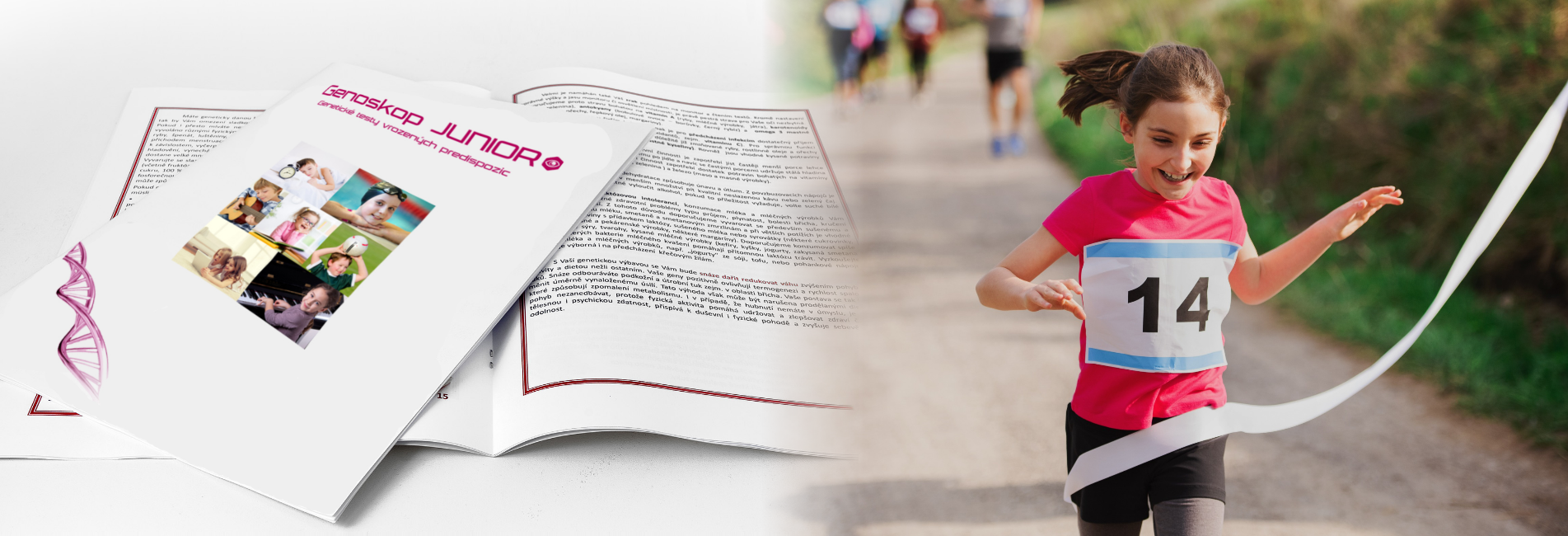
Genetic predispositions are not destiny. Genes can hint at what a person has an innate leaning towards — whether sporting aptitude, metabolism or musical talent — but the outcome is always shaped by environment, upbringing and one's own effort as well. Genetic tests such as Genoskop® are therefore not there to “programme” a child, but to help you understand their strengths better.

Myths about DNA tests you should not fall forMyths and facts

RNDr. Lucie Benešová, Ph.D. · 2 February 2026

Myths about DNA tests you should not fall for

A DNA test does not reveal “everything” — it analyses specific, predefined regions.

A good many myths circulate about genetics. A DNA test does not reveal “everything” about your health or your future — it analyses specific, predefined regions. An origin test will not tell you your exact nationality, but your genetic line and your ancestors' migration routes. And a home test for personal purposes cannot be used in court, because it does not include verification of the identity of the people tested.

The Czech National Genographic DatabaseDatabase

The Genomac team · 18 January 2026

The Czech National Genographic Database

The only one of its kind in the country — it connects distant relatives through DNA.

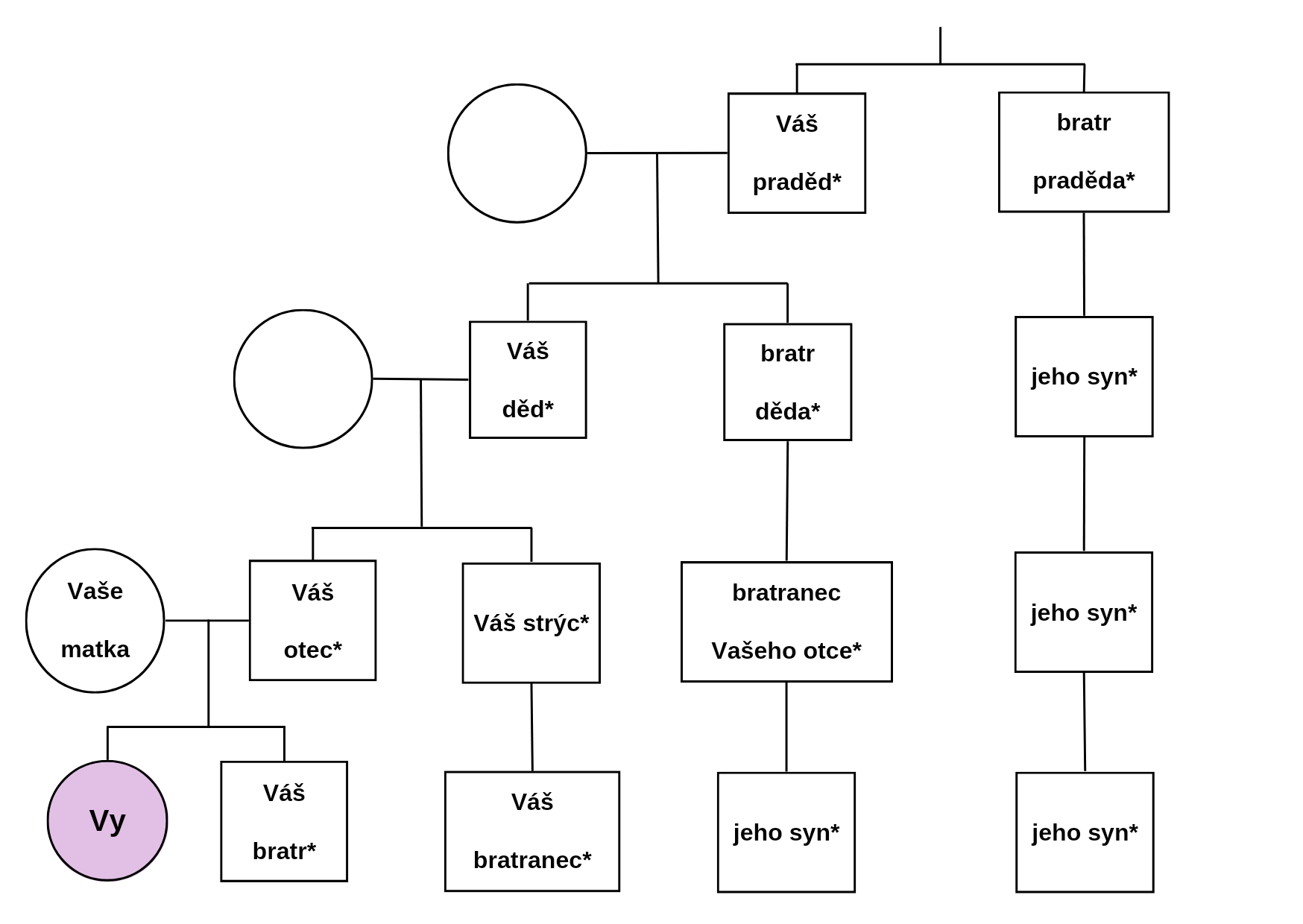
Genomac runs the only Czech National Genographic Database. With every Genograf® test you gain the option of entering it free of charge and comparing your genetic line with others. You can thus find distant relatives with whom you share a common ancestor — sometimes hundreds of years back.

Interested?

Would you like to order a test or ask us something? We will be glad to help you choose the right test and answer all your questions.